


Summary
- SECS/GEM compliance testing is essential for semiconductor equipment to integrate into modern fabs.
- The primary entities handling this are specialized SECS/GEM consulting firms and equipment integration service providers.
- These experts offer comprehensive services, including SEMI E30 compliance testing, integration support, on-site validation, and customized software development.
- Choosing an experienced third-party vendor saves original equipment manufacturers (OEMs) significant time, reduces compliance risk, and ensures reliable automation for end-users (fabs).
- Their expertise is particularly critical when dealing with complex standards, such as GEM300, or achieving full SECS GEM testing services validation before deployment.
Introduction
The modern semiconductor fabrication plant (fab) is a highly automated environment where communication is king. Without a standardized language, the vast array of equipment, from lithography tools to metrology systems, simply cannot communicate with the factory host system. This is where the SECS/GEM compliance testing comes in, acting as the universal translator. It’s an absolute requirement: According to a 2024 analysis of semiconductor manufacturing trends, nearly 95% of new factory automation projects require complete SEMI E30 (GEM) and E40/E87 (Cluster Tool/Traceability) compliance from their integrated equipment (Source: SEMI Industry Report, 2024).
For original equipment manufacturers (OEMs), passing this compliance hurdle isn’t just a technical detail; it’s the ticket to getting your tool onto the fab floor. But who exactly are the wizards behind the curtain that handle this complex, mission-critical task?
While internal QA teams at large OEMs certainly have a role, the heavy lifting, especially the unbiased, final validation, is often outsourced. This is because effective equipment SECS/GEM integration requires a particular, deep, and constantly updated knowledge base that most in-house teams just don’t maintain.
The SECS/GEM Compliance Testing Ecosystem
When an OEM tool rolls off the line, it’s not truly “factory ready” until its communication layer has been rigorously tested. The responsibility for handling SECS/GEM compliance testing falls primarily to two categories of specialized service providers.
Specialized SECS/GEM Consulting Firms
Core Compliance and Validation Services
A crucial offering from these firms is running the tool through a formal compliance testing process. They use specialized host simulators and testing frameworks, often their own proprietary tools, to bombard the equipment’s interface with every possible scenario, both good and bad.
- Protocol Verification: Ensuring the equipment correctly interprets and responds to all SEMI E5 SECS-II messages, verifying the equipment is speaking the right “language.”
- SEMI E30 Compliance Testing: This is the big one. They check that the equipment’s GEM implementation meets all the mandatory requirements: exception reporting, remote command execution, event reporting, data collection, and status variable management.
- Failure and Stress Testing: They simulate factory network failures, communication timeouts, and incorrect host messages to ensure the equipment gracefully handles errors and maintains its operational state. This is where a lot of equipment initially fails. It’s easy to handle the perfect scenario, but what happens during a brief network hiccup?
Equipment Integration Service Providers
While consulting firms focus on the standard, integration providers focus on the deployment. These companies work closely with both the OEM and the end-user (the fab) to bridge the gap between the equipment’s internal software and the specific requirements of the factory’s Manufacturing Execution System (MES).
They are often hired when an OEM is new to the semiconductor market or needs to rapidly deploy a tool into a new fab site with unique automation requirements. They provide end-to-end support for equipment SECS/GEM integration.
Customization and On-site Validation
It’s a common misconception that passing the SEMI E30 compliance test means you’re done. In reality, every fab has unique “house rules” and specific scenarios that must be supported. This is where integration specialists shine.
They customize the generic GEM interface to meet the fab’s specific needs, such as:
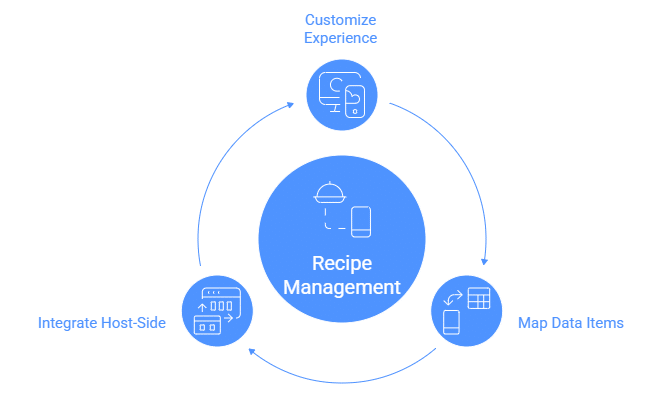
Recipe Management Customization: Adapting the SEMI E40/E94 standards for the fab’s unique process control flows.
Data Item Mapping: Ensuring all necessary process and equipment data is correctly mapped to the host’s data collection systems.
Host-Side Integration: Writing and validating the actual host-side application that communicates with the equipment, ensuring a seamless flow of control and data with the fab’s MES.
Choosing a partner with experience in SECS/GEM automation experts can drastically cut down on costly delays during equipment installation.
Why OEMs Choose Third-Party SECS GEM Testing Services
If your internal team can write the equipment software, why hire an outsider for testing? It comes down to three key factors: experience, impartiality, and speed.
Unmatched Automation Expertise
Third-party firms perform SECS GEM testing services day in and day out across dozens of different equipment types, from plasma etchers to inspection tools. This exposure gives them a deep understanding of the common pitfalls and subtle requirements that an internal team, focused only on one tool, might miss. They know exactly which corners of the SEMI standards are most often misunderstood.
They are essentially a library of best practices, ready to apply lessons learned from similar equipment and previous compliance cycles. This institutional knowledge is invaluable for semiconductor equipment communication testing.
Impartial SECS/GEM Interface Validation
A major benefit of external compliance testing is the objective, unbiased assessment. It’s a bit like having an external auditor review your financials. An internal development team, proud of its code, may inadvertently test only the scenarios it knows work well.
External SECS/GEM interface validation firms, however, approach the interface with healthy skepticism, looking for edge cases, performance bottlenecks, and deviations from the standard. Their goal is not to prove the software works, but to prove it doesn’t break under pressure, a crucial distinction. This rigorous approach dramatically improves the quality of the final product and saves your customer, the fab, headaches later.
Accelerating Time-to-Market
In the semiconductor industry, time is money, often huge money. Delays in deployment due to communication issues can cost an OEM a fortune in penalties or missed revenue. For OEMs, especially those seeking to upgrade older tools to meet the full GEM300 testing services requirements, engaging an expert from the start ensures a smoother process. This minimizes the back-and-forth debugging that often stalls deployment once the equipment reaches the fab floor.
A dedicated third party can execute the SECS/GEM protocol testing much faster than an internal team juggling multiple projects, ensuring you meet aggressive deployment schedules.
What to Look for in a SECS/GEM Partner
When you’re ready to partner with a SEMI standard compliance testing firm, you’re not just looking for a testing lab; you’re looking for an extension of your own engineering team. What should you look for?
Proven Track Record and Industry Experience
Ask for references and case studies. Have they successfully integrated and certified equipment similar to yours? Do they have experience with the specific flavors of the SEMI standards your tool needs (e.g., are they strong in both E30 and E87 for cluster tools)? A firm with deep expertise across various SECS/GEM automation experts is generally a safer bet.
Comprehensive Support: From Development to Deployment
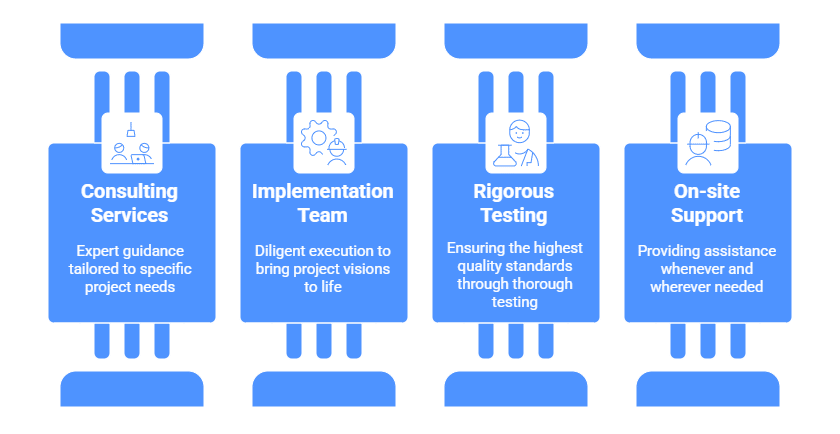
The best partners offer a full lifecycle of services, which can include:
- Consulting: Initial design review and architecture recommendations.
- Implementation: Providing toolkits or even developing the SECS/GEM interface for you.
- Testing: Formal, rigorous compliance testing using automated host simulators.
- On-site Support: Being there at the fab to assist with the final integration into the factory host system.
If the only thing a vendor offers is a “test report,” you might be selling yourself short.
Modern Tooling and Methodology
The semiconductor industry is constantly evolving. Your partner should be using modern, up-to-date testing tools. The ability to simulate complex, multi-protocol environments, as is common in GEM300 testing services, is non-negotiable. Their tools should allow for easy customization of test scripts to match your fab’s specific “house rules,” which shows they understand that standards are rarely implemented the same way twice.
Conclusion
The landscape of factory automation is complex, but the solution to your compliance challenge doesn’t have to be. Choosing the right partner for SECS/GEM compliance testing, whether a boutique consultant or a dedicated integration firm, is the smartest move an OEM can make. Not only do they bring specialized knowledge to handle the rigorous demands of SEMI E30 compliance testing, but they also act as a crucial validation gateway. This partnership is what ensures your cutting-edge equipment can communicate reliably, seamlessly integrating into the automated, high-throughput environment of a modern fab. Don’t risk costly delays; ensure your tool is certified by the experts.
FAQs
-
1. Who handles SECS/GEM compliance testing for semiconductor equipment?
SECS/GEM compliance testing is primarily handled by specialized third-party consulting firms and equipment integration service providers. These companies offer objective testing, validation, and certification services. While OEMs have internal QA teams, the depth of expertise and impartiality of an external specialist is typically necessary for final sign-off, especially when facing strict factory automation requirements for SECS GEM testing services.
-
2. What services do SECS/GEM testing companies provide for OEM tools?
These companies provide a comprehensive suite of services, including initial consultation on SEMI standards implementation, software development (often using commercial SECS/GEM toolkits), formal compliance testing against the SEMI E30 standard, stress and performance testing, and on-site integration support. Their goal is to ensure the OEM tool's communication interface is robust, bug-free, and compliant with all mandatory and common optional SECS/GEM protocols.
-
3. How do SECS/GEM integration service providers support equipment automation?
Integration service providers are critical because they bridge the gap between the equipment's generic GEM interface and the specific factory automation system (MES/Host). They support equipment SECS/GEM integration by customizing data collection items, ensuring proper recipe management (E40/E94), implementing carrier and substrate tracking (E87/E90), and performing final host communication testing. They ensure the equipment operates correctly within the factory's unique automation flow.
-
4. What is included in semiconductor tool communication testing services?
Semiconductor tool communication testing services include three key phases:
1) Protocol Verification (checking correct message structure per SEMI E5);
2) Compliance Testing (verifying all mandatory E30 GEM requirements like event reporting and state models); and
3) Stress/Edge Case Testing (simulating communication failures and incorrect host commands to verify stability). This rigorous SECS/GEM protocol testing ensures reliability during continuous, high-volume manufacturing.
-
5. When should equipment manufacturers hire SECS/GEM consulting firms?
Equipment manufacturers should hire SECS/GEM consulting firms as early as the design phase, ideally, when planning the tool's software architecture. Early engagement is essential to avoid costly, late-stage redesigns. They are also needed when upgrading older tools to meet new standards like GEM300, or anytime an OEM faces a looming fab deployment deadline and requires guaranteed, fast, and successful SECS/GEM certification.

📅 Posted by Nirav Thakkar on November 20, 2025
Nirav Thakkar
Semiconductor Fab Automation & Equipment Software specialist with 18 years of industry experience.