
How Automated Visual Inspection Keeps Your Operations Running Smoothly
In industrial operations, human error can happen at any time. A tired employee may miss a small crack in a component. An operator may lose focus during a routine check. A critical gauge reading may also be recorded incorrectly.
Small mistakes can cause major problems. They may lead to production delays, product recalls, or safety risks. Manual inspection also becomes harder as production volumes increase. Modern factories need a more reliable way to monitor equipment.
This is where Automated Visual Inspection can help. The technology uses cameras and software to inspect equipment and process conditions. It reduces the need for repeated manual checks. It also helps teams find issues earlier.
How a Gauge Monitor System Works
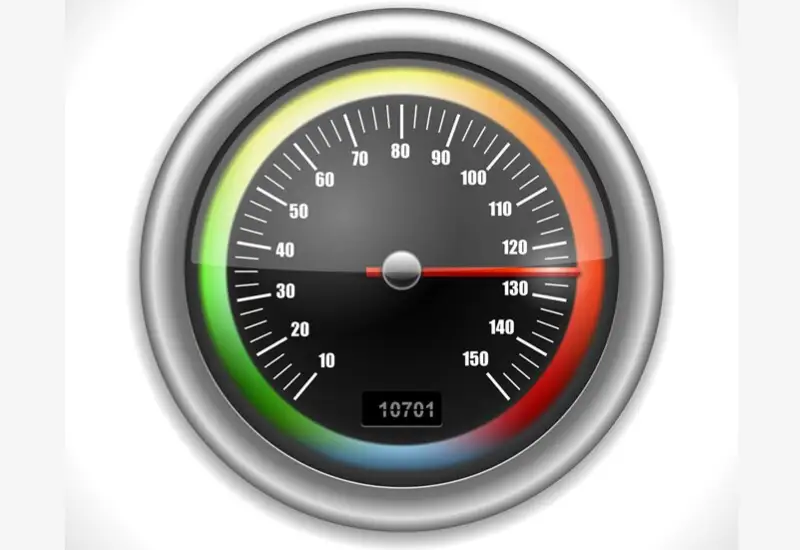
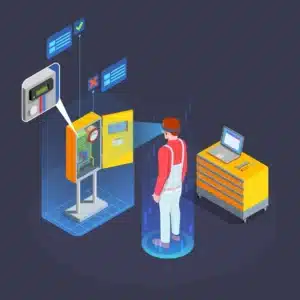
A modern Gauge Monitor System can read analog gauges automatically. High-resolution cameras capture images of gauges at set intervals or in real time. Software then processes the images and identifies the gauge reading.
This approach removes much of the variation found in manual checks. Operators no longer need to record every gauge reading by hand. Instead, the system can capture and store readings for later review.
The technology also supports Industrial Automation Solutions. Teams can connect gauge data with other monitoring and control systems. This connection helps create a clear view of equipment conditions.
Automated Analog Gauge Readings
Automated analog gauge readings can help monitor pressure, temperature, flow rate, and other values. The system checks these readings and can identify unusual changes.
For example, a sudden pressure change may indicate an equipment problem. The monitoring system can flag the change for the maintenance team. This gives the team more time to investigate the cause.
Automated monitoring also supports proactive maintenance. Teams can use real equipment data instead of relying only on fixed maintenance schedules. This approach can help reduce unexpected equipment problems.
AI-Powered Visual Inspection
AI-powered visual inspection adds another layer of analysis. The system can learn normal equipment conditions and identify unusual patterns. These patterns may point to a developing issue.
The collected data can also support Manufacturing Process Optimization. Teams can review equipment trends and make better maintenance decisions. Over time, this information can help improve process control and equipment performance.
For modern factories, Smart Inspection Technologies provide a practical way to combine visual inspection, gauge monitoring, and data analysis. The result is better equipment visibility and a more consistent approach to industrial monitoring.
Benefits of Gauge Monitoring
The benefits go beyond reducing human errors. A Gauge Monitor System collects useful equipment data. Teams can use this data to improve processes, reduce waste, and increase efficiency.
Remote monitoring systems allow engineers and managers to track equipment from different locations. They can review equipment conditions without being on the factory floor. This makes maintenance work faster and more flexible.
These capabilities support modern Industrial Automation Solutions. The system collects data continuously through Automated Visual Inspection. Teams can then review this data to find trends and unusual changes.
Data analysis can also support Manufacturing Process Optimization. For example, teams can identify inefficient processes and areas of high energy use. They can then take action based on actual equipment data.
Smart Inspection Technologies also help factories build a more reliable monitoring process. Instead of depending only on manual checks, teams can use automated readings and visual data. This approach can support better decisions and more consistent equipment monitoring.
Conclusion
The move from manual inspection to Automated Visual Inspection can improve quality, safety, and efficiency. A Gauge Monitor System gives teams a better way to track equipment conditions.
Machine vision systems can capture gauge readings automatically. AI-powered visual inspection can then help identify unusual conditions. This reduces the need for operators to check every gauge manually.
The technology also supports Quality Control Automation and modern Industrial Automation Solutions. With better equipment data, teams can respond to problems earlier and plan maintenance more effectively.
For modern factories, automated inspection offers a practical way to improve equipment visibility. It combines visual inspection, gauge monitoring, and data analysis in one process. This can help businesses build more reliable and efficient operations.


