
Industry 4.0 & Smart Factory Solutions for Semiconductor Manufacturing
The fourth industrial revolution is transforming manufacturing into autonomous, data-driven environments. By integrating the Industrial Internet of Things (IIoT), Artificial Intelligence (AI), Big Data, and Cloud Computing, modern production facilities can achieve true smart manufacturing capabilities.
This transformation bridges physical machinery and virtual networks using advanced Cyber-Physical Systems (CPS).
At eInnoSys, we specialize in providing turnkey software and automation solutions that upgrade your legacy equipment and modern cleanrooms into fully compliant, connected Industry 4.0 ecosystems.
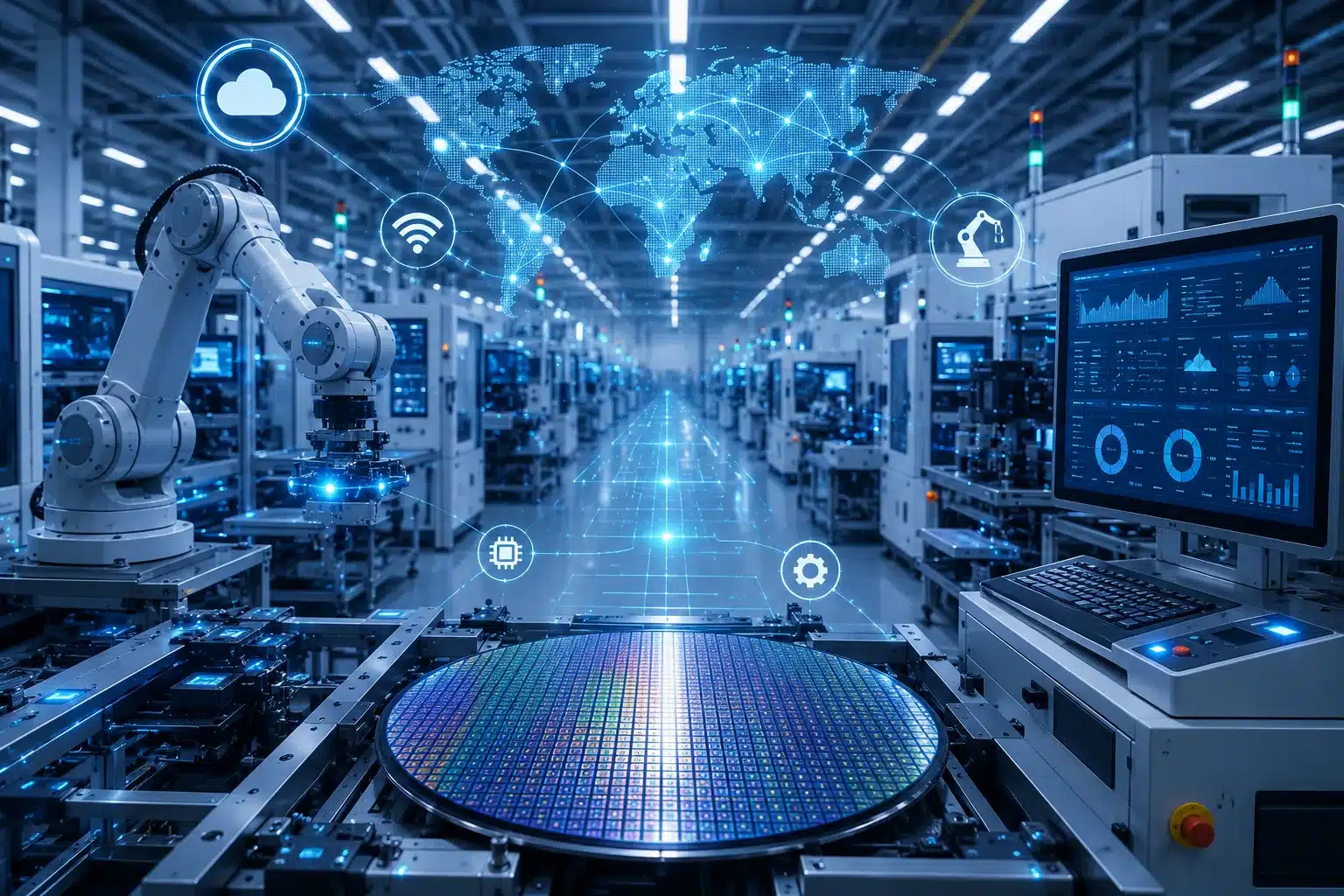
What is Industry 4.0 in Semiconductor Manufacturing?
Unlike conventional centralized manufacturing models, Industry 4.0 for Semiconductor Fabs is fully decentralized. It enables real-time, bi-directional communication between sensors, front-end/back-end equipment, raw materials, and core factory systems (MES/FDC).
Through the power of the Industrial Internet of Things (IIoT) and SEMI standards, smart wafers and substrates can communicate directly with equipment. Decisions regarding routing optimizations, dynamic production priorities, automated metrology/inspection steps, and closed-loop process control are executed automatically—without human intervention.
Key Drivers of Smart Factory Transformation
- ✓Lower Production Costs: Minimizes test escapes, reduces wafer scrap, and optimizes chemical/gas utilization rates.
- ✓Increased Business Agility: Instantly adapts routing schedules based on real-time tool availability or sudden demand shifts.
- ✓Higher Operational Efficiency (OEE): Drastically reduces tool idle times and maintenance overheads via predictive telemetry.
- ✓Data-Driven Decision Making: Accelerates engineering responses through immediate access to tool-state data lakes.
Vertical & Horizontal Integration in Smart Fabs
The foundation of any modern Smart Factory architecture relies on two seamless integration dimensions:
1. Vertical Integration (Sensor to Enterprise Layer)
Vertical integration requires collecting and consolidating data from the lowest physical layers straight up to the enterprise software. eInnoSys bridges this gap by seamlessly aggregating data across all sub-systems:
- Equipment sensors and embedded PLCs
- Critical tool components and sub-systems (vibration, temperature, vacuums)
- Tool-level process parameters and execution state charts
- Factory-level software systems (MES, ERP, and FDC platforms)
2. Horizontal Integration (Supply Chain Ecosystem)
Horizontal integration extends far beyond a single factory floor. It establishes end-to-end device traceability by dynamically linking:
- Multiple internal production and assembly lines
- Dispersed factory facilities across global locations
- Supply chain partners, silicon wafer providers, and sub-contractors
eInnoSys Industry 4.0 Solutions
We provide turnkey products and configurable software platforms designed to accelerate your fab automation journey. Our deep expertise in semiconductor automation ensures robust implementation across all key disciplines:
Real-Time Equipment Monitoring
Pulling high-frequency telemetry via EIStationController platforms.
Industrial Protocol Gateways
Native protocol-to-protocol conversion with EIGEMLink.
Legacy System Retrofits
Non-intrusive SECS/GEM and OPC UA compliance using EIGEMBox modules.
Automated Recipe Validation
Complete centralized change tracking and enforcement with EIRMS software.
Supported Protocols & Production Interfaces
| Category | Supported Protocols / Frameworks |
|---|---|
| SEMI Standards | SECS-I (E4), SECS-II (E5), GEM (E30), HSMS (E37), GEM300 (E40, E87, E90, E94), SEMI E84 |
| Industrial Automation | OPC UA, OPC DA, Modbus TCP/RTU/ASCII, EtherCAT, PROFINET, Ethernet/IP, PLC Interfaces |
| IoT & Enterprise Layers | MQTT, REST APIs, JSON Streams, TCP/IP Socket Messaging, MES & FDC Database Connectors |
Industry Solution
We support QA and compliance services for.
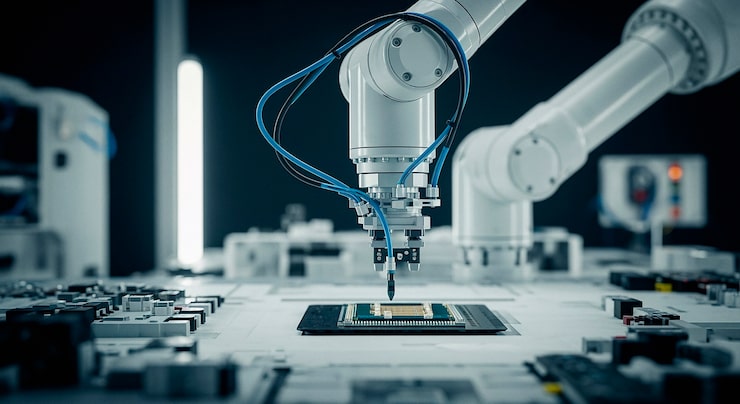
Semiconductor Equipment OEMs
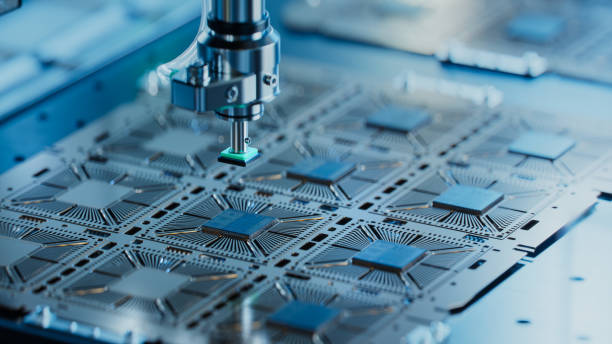
300mm & 200mm Wafer Fabs
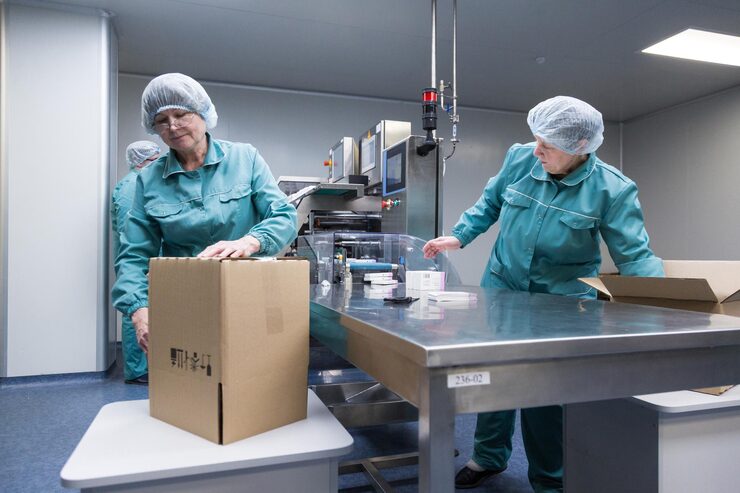
Automation Software Providers
Assembly, Test & Packaging Facilities

Smart Factory Systems
Whitepaper
AI/ML-Powered Predictive Analytics & Smart Fault Detection for Next-Gen Manufacturing
Unlock the future of smart factory automation with xPump, Einnosys’s AI/ML-based framework for predictive maintenance and smart Fault…
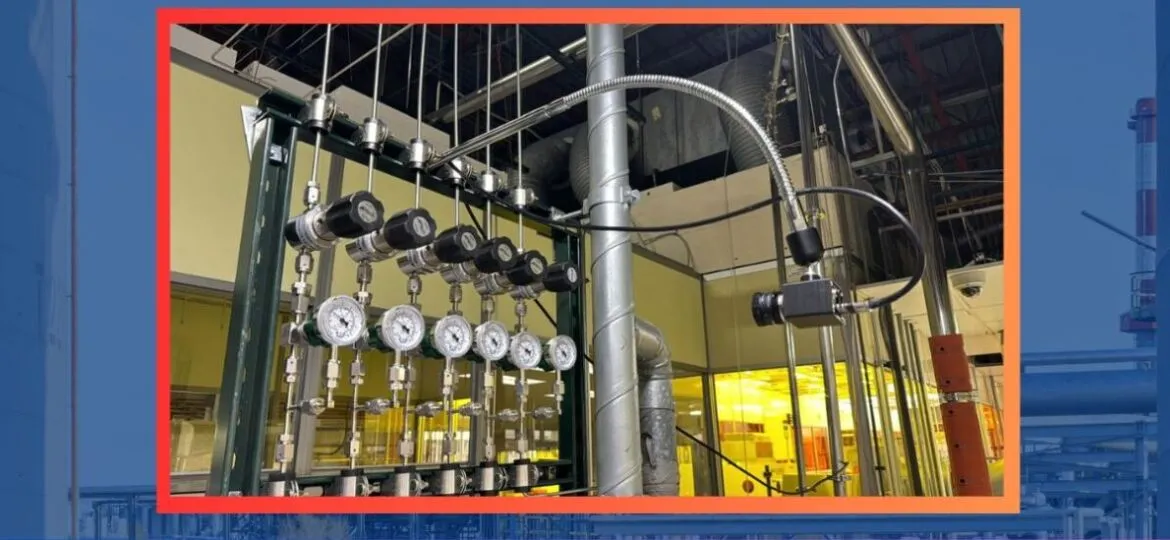
A Technical Overview of Automated Gauge Reading and Data Integration
A Technical Overview of Automated Gauge Reading and Data Integration
Schedule a Free Technical Consultation
Connect with our experts to discuss your OEM and FAB/ATP requirements and explore the right solution for your operations.
Case Studies
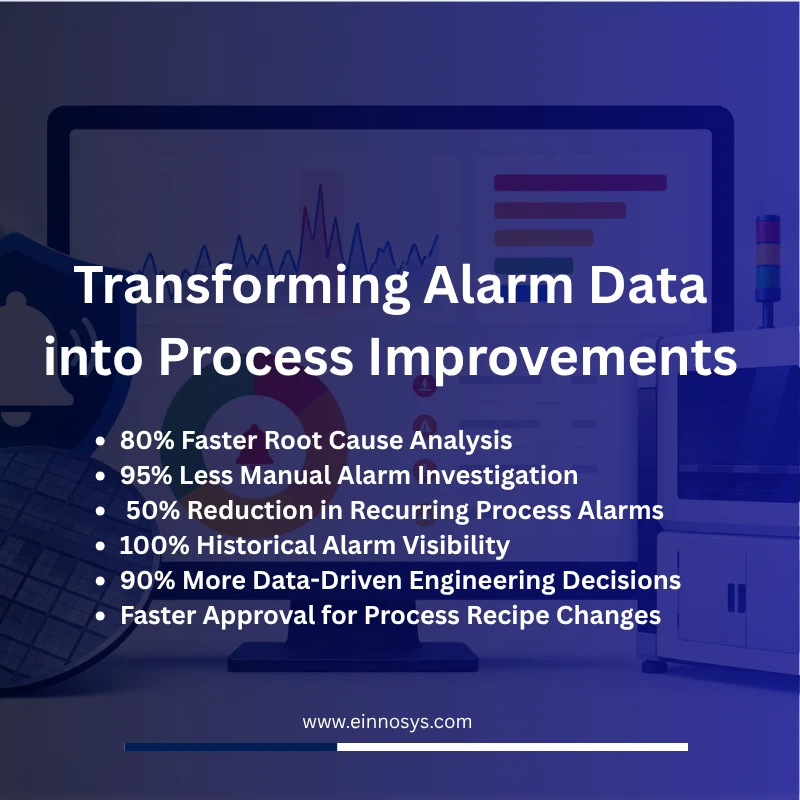
How Historical Alarm Analytics Helped a Semiconductor Fab Eliminate Recurring CMP Process Alarms
A leading semiconductor fab struggled to validate recurring CMP process alarms because its legacy alarm system lacked historical…

SECS/GEM to MQTT Bridge Implementation
Discover how EIGEMLink seamlessly bridges the gap between legacy semiconductor manufacturing and modern Industry 4.0 applications. This case…
Factory Automation Zero-Risk Fab Modernization
One of Us Fab wanted to deploy an advanced Recipe Management System to improve operational control and eliminate…
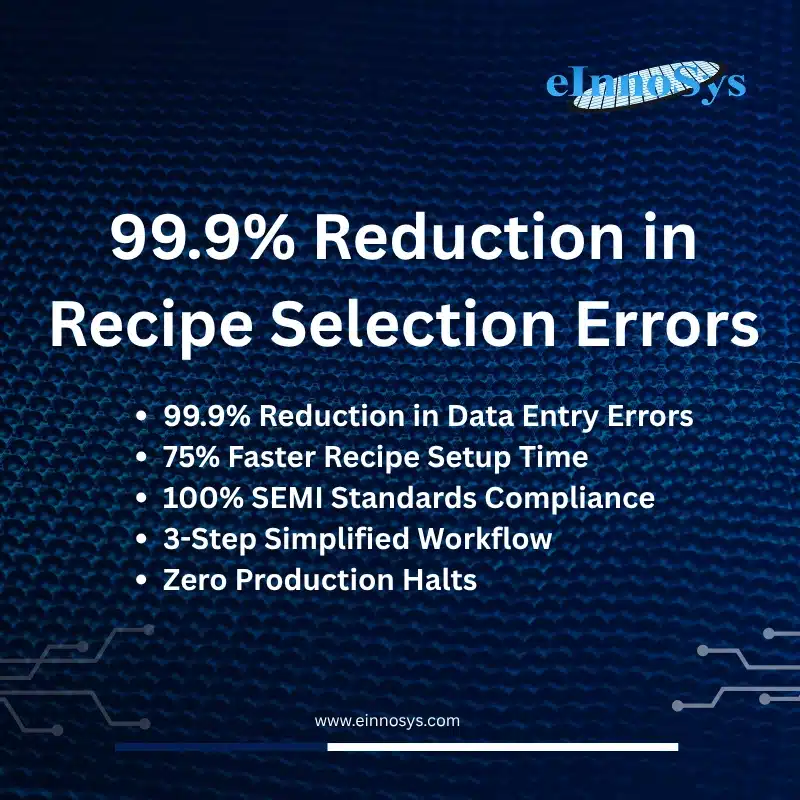
How We Helped a Global Manufacturer Achieve a 99.9% Reduction in Recipe Selection Errors
Manufacturing errors caused by incorrect recipe selection can lead to significant wafer scrap, production delays, and increased operational…

Bridging SECS/GEM and MQTT: How a US Fab Achieved Global Real-Time Visibility with EIGEMBridge
A leading U.S.-based semiconductor wafer fabrication facility, part of a global manufacturing network, wanted to extend its existing…
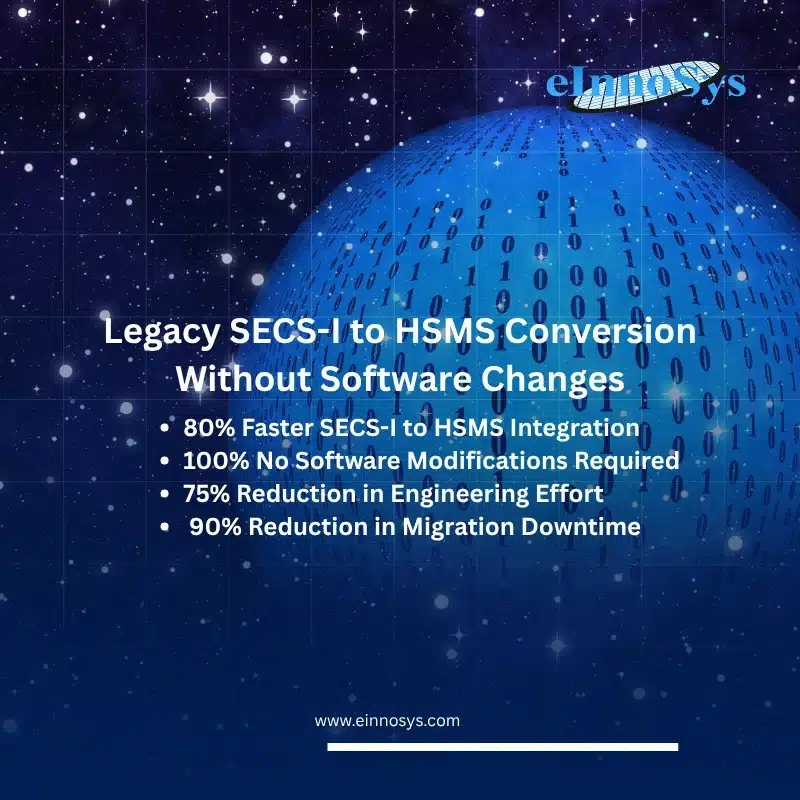
Legacy SECS-I to HSMS Conversion for Semiconductor OEM
A leading semiconductor equipment OEM needed to upgrade legacy SECS-I (Serial) communication to HSMS (Ethernet) without modifying its…
Schedule Your Industry 4.0 Strategy Session
Get expert guidance to identify automation opportunities and build a clear digital transformation roadmap.
Blogs
05
Oct
- By mike.brown
- Blog
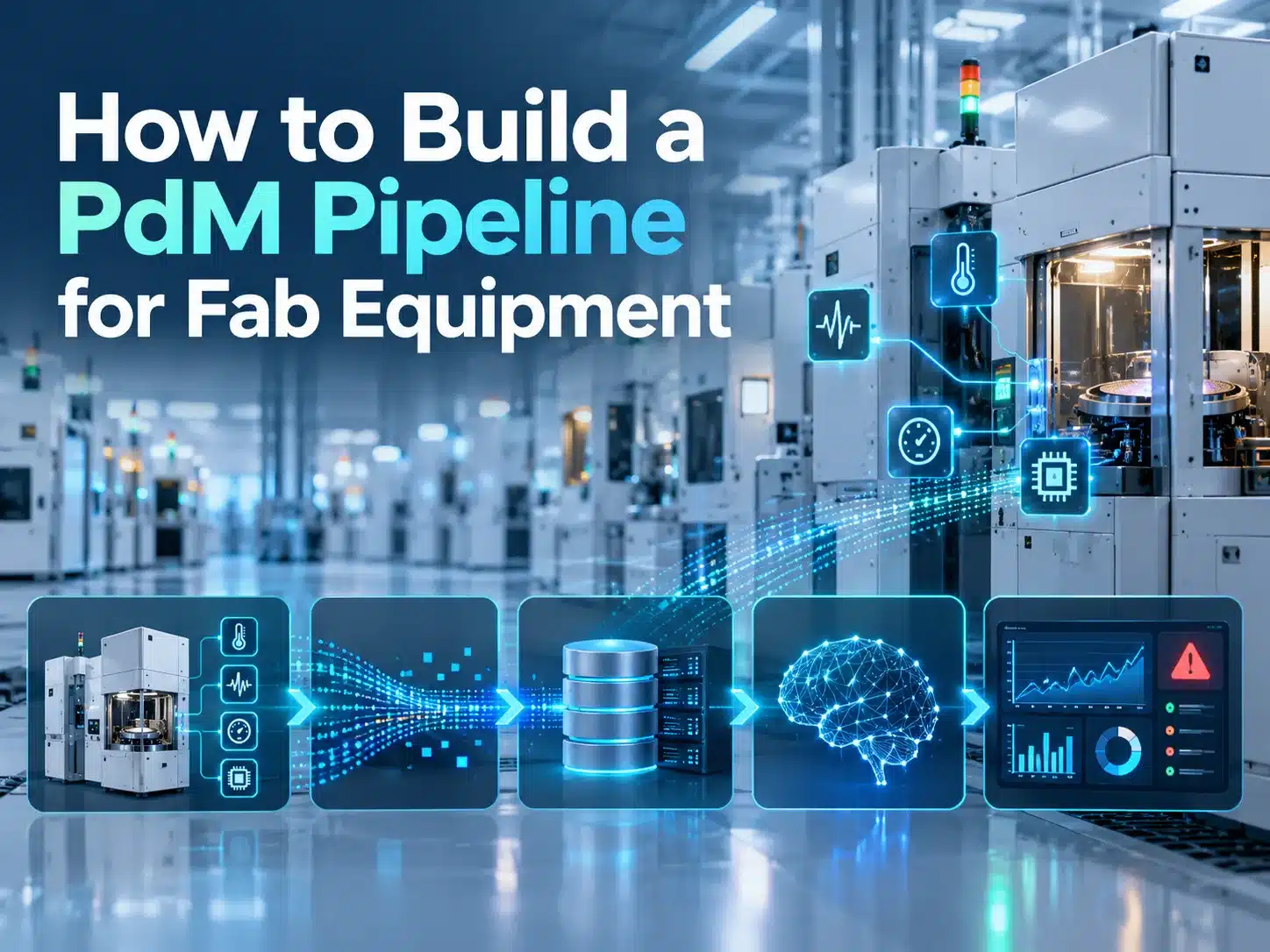
How to Build a PdM Pipeline for Fab Equipment
A predictive maintenance pipeline for fab equipment collects data from tools and sensors, cleans and contextualizes it, converts it into…
Read More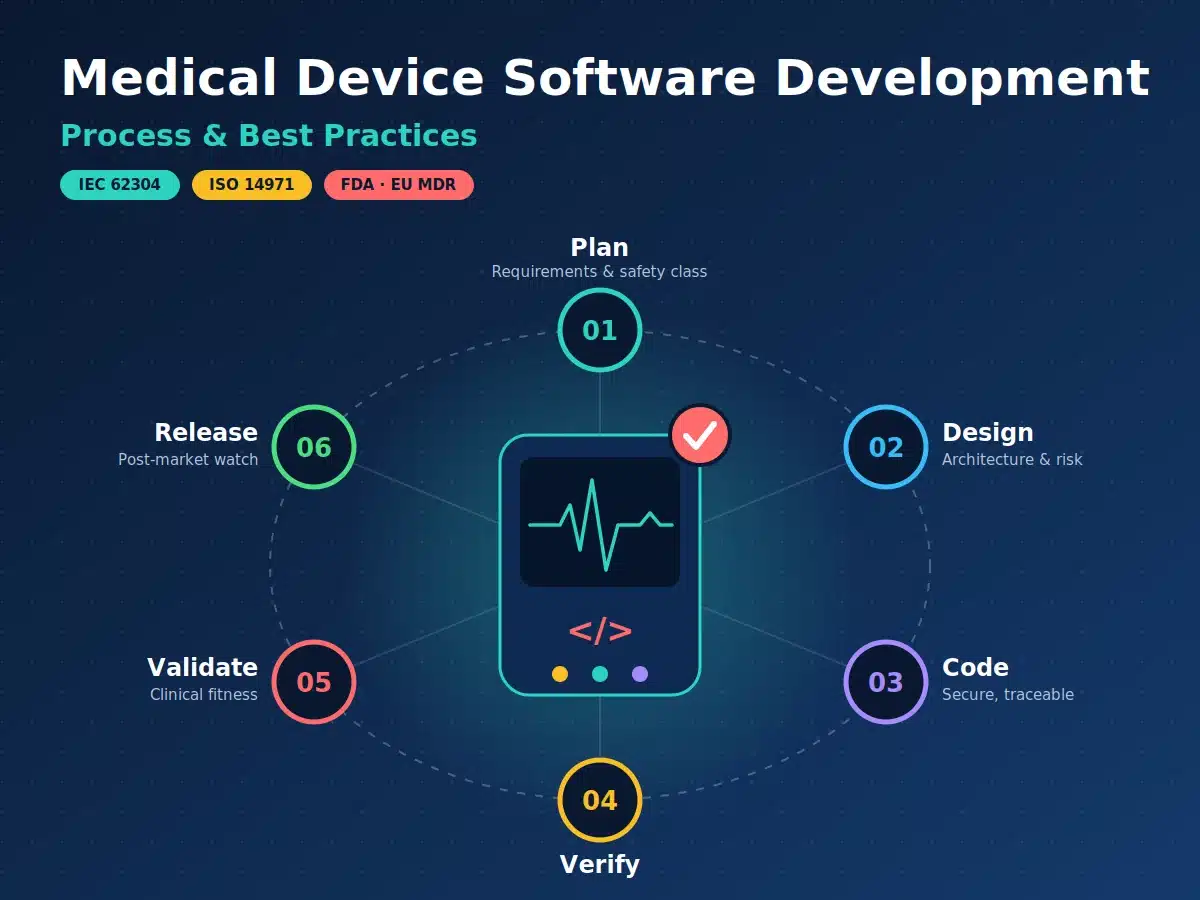
05
Oct
- By mike.brown
- Blog, Medical Device
Medical Device Software Development: Process & Best Practices
Medical device software development affects every stage of production. Software runs machines, tracks parts, and records each step. It also…
Read More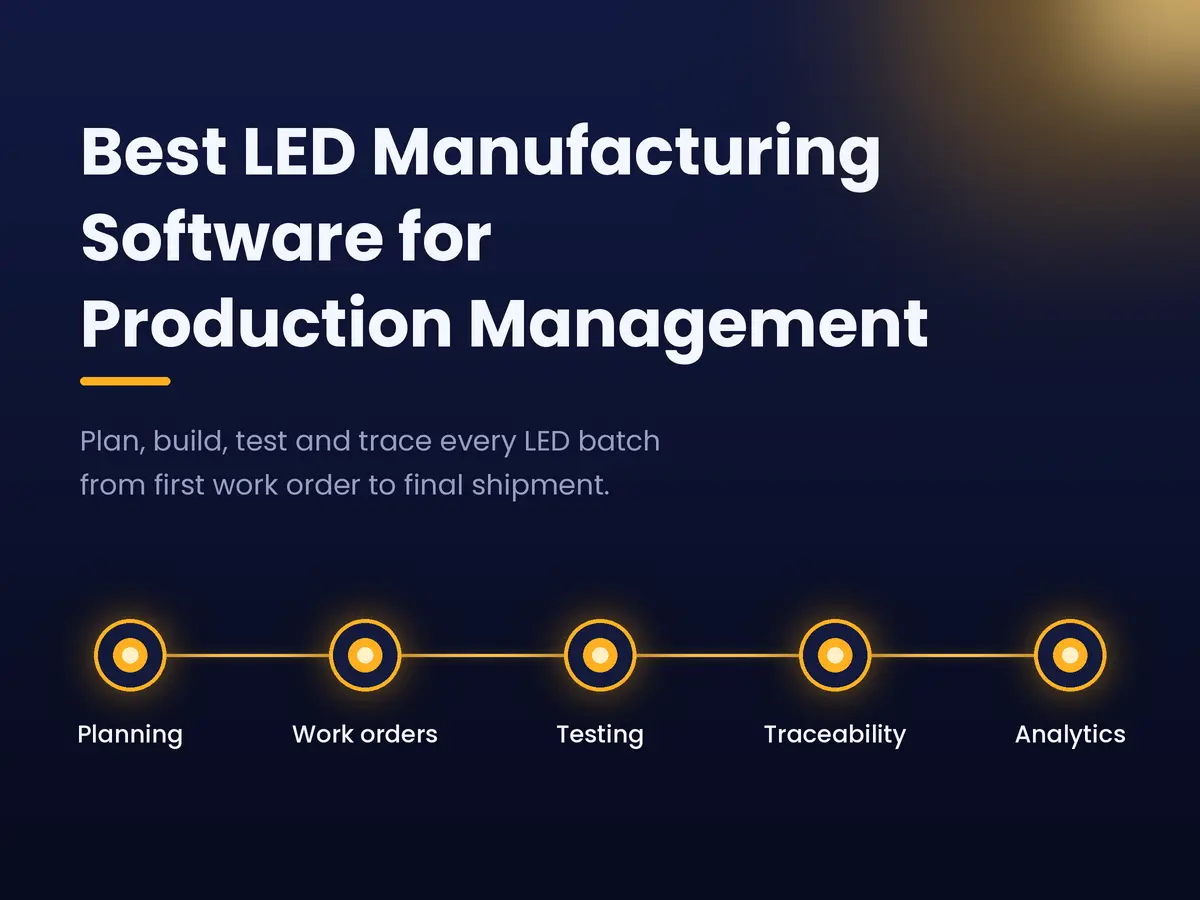
01
Oct
Best LED Manufacturing Software for Production Management
LED production runs on tight tolerances, fast cycles, and complex equipment. A small process drift can lower yield, waste materials,…
Read MoreFAQs
What does Industry 4.0 mean for modern manufacturing?
Industry 4.0 represents the shift toward intelligent manufacturing where machines, systems, and data are interconnected to create more efficient, flexible, and automated production environments.
What is a smart factory in simple terms?
A smart factory is a digitally connected production environment where equipment, software, and data work together to automate processes and improve operational efficiency in real time.
How can a smart factory reduce production downtime?
Smart factories use real-time monitoring and predictive analytics to detect issues early, allowing teams to take action before equipment failures occur and reduce unexpected downtime.
Which technologies power Industry 4.0 solutions?
Industry 4.0 relies on technologies such as IoT-enabled sensors, artificial intelligence, machine learning, cloud platforms, and advanced data analytics to enable intelligent manufacturing.
Can older manufacturing equipment be part of a smart factory?
Yes, legacy machines can be upgraded with connectivity solutions and automation software, allowing them to integrate with modern systems without full replacement.
What are the main benefits of implementing a smart factory?
Key benefits include improved productivity, better quality control, reduced operational costs, faster decision-making, and enhanced overall equipment performance.